Vehicle Reviews
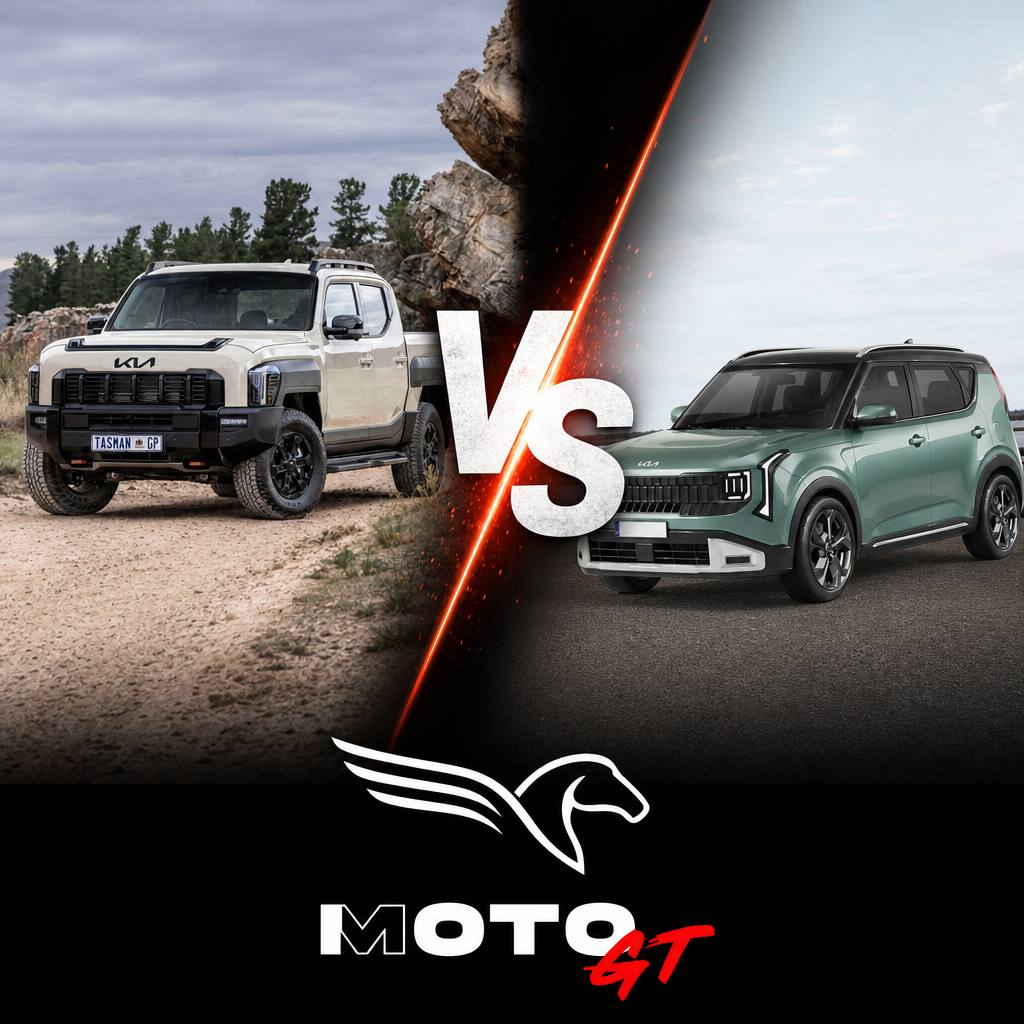
KIA Tasman: An Oversized Soul in a Hilux World
By iMoto GT Team·Jun 17, 2026·1 views
Let me be upfront about something. I haven't driven the KIA Tasman. I haven't sat in it, towed anything with it, or taken it down a gravel road on the way to a campsite. What I have done is looked at every spec sheet, every press photo, every YouTube walkaround I could find because I wanted to understand what KIA was actually giving us.
And my first reaction? I laughed.
That Face Though
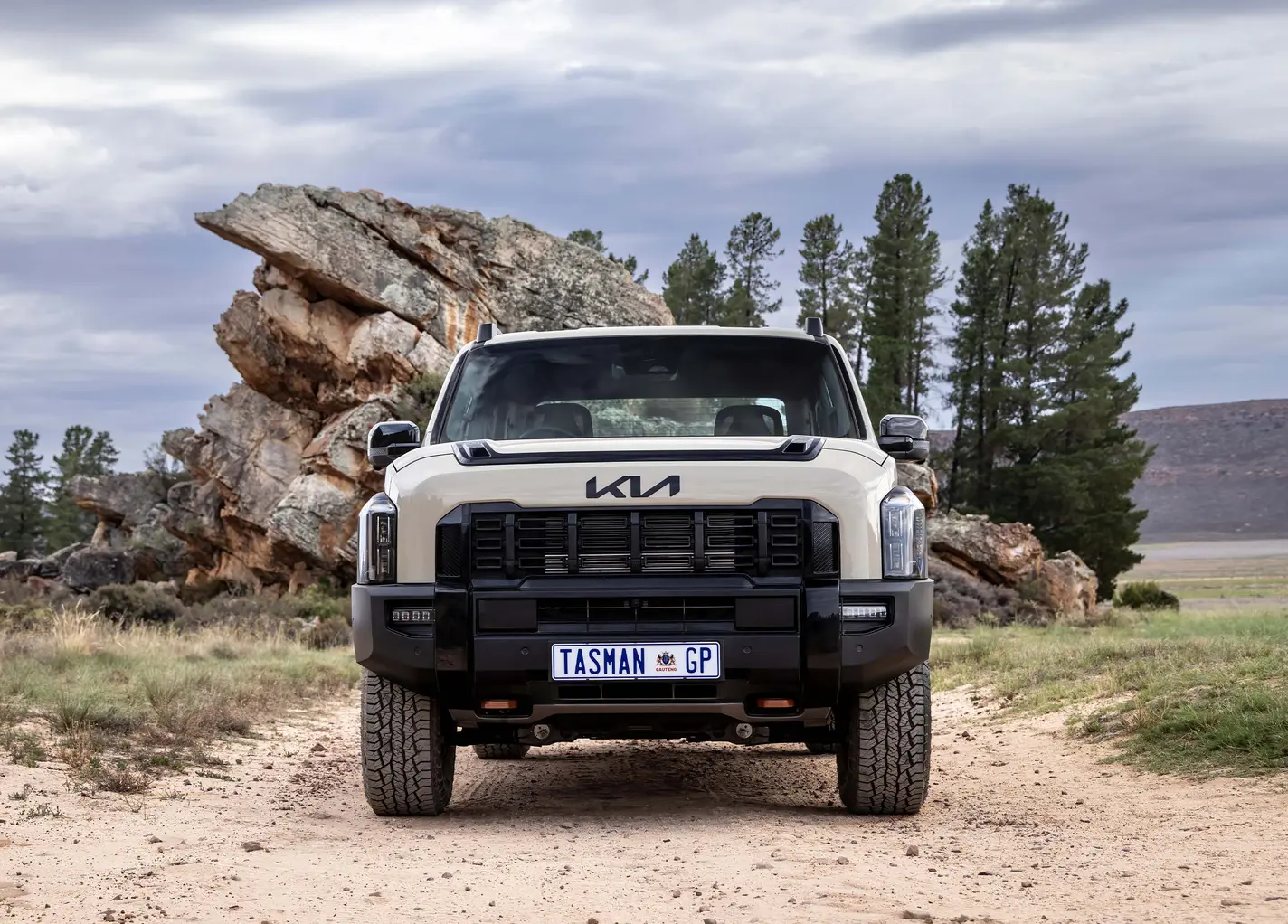
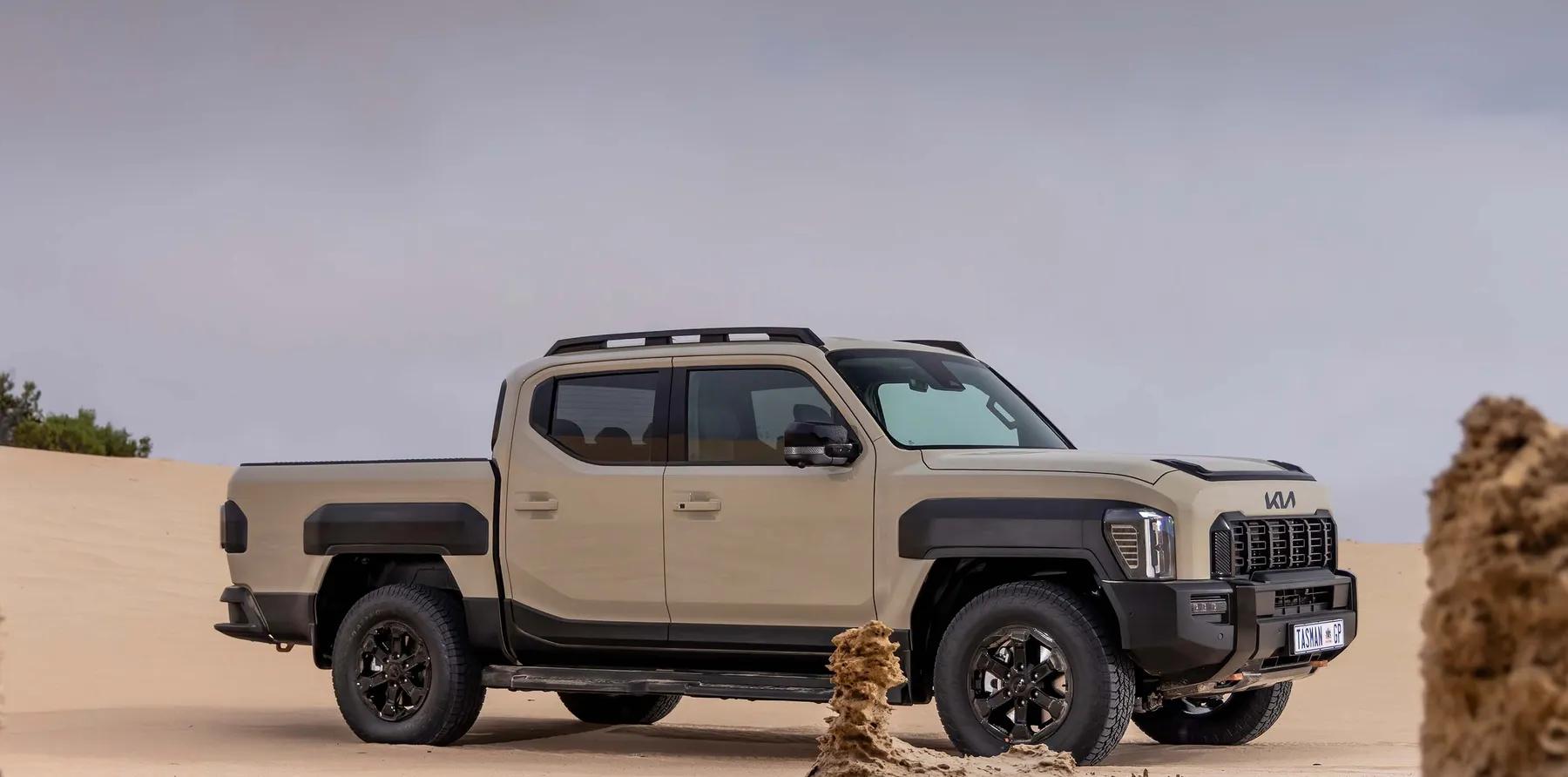
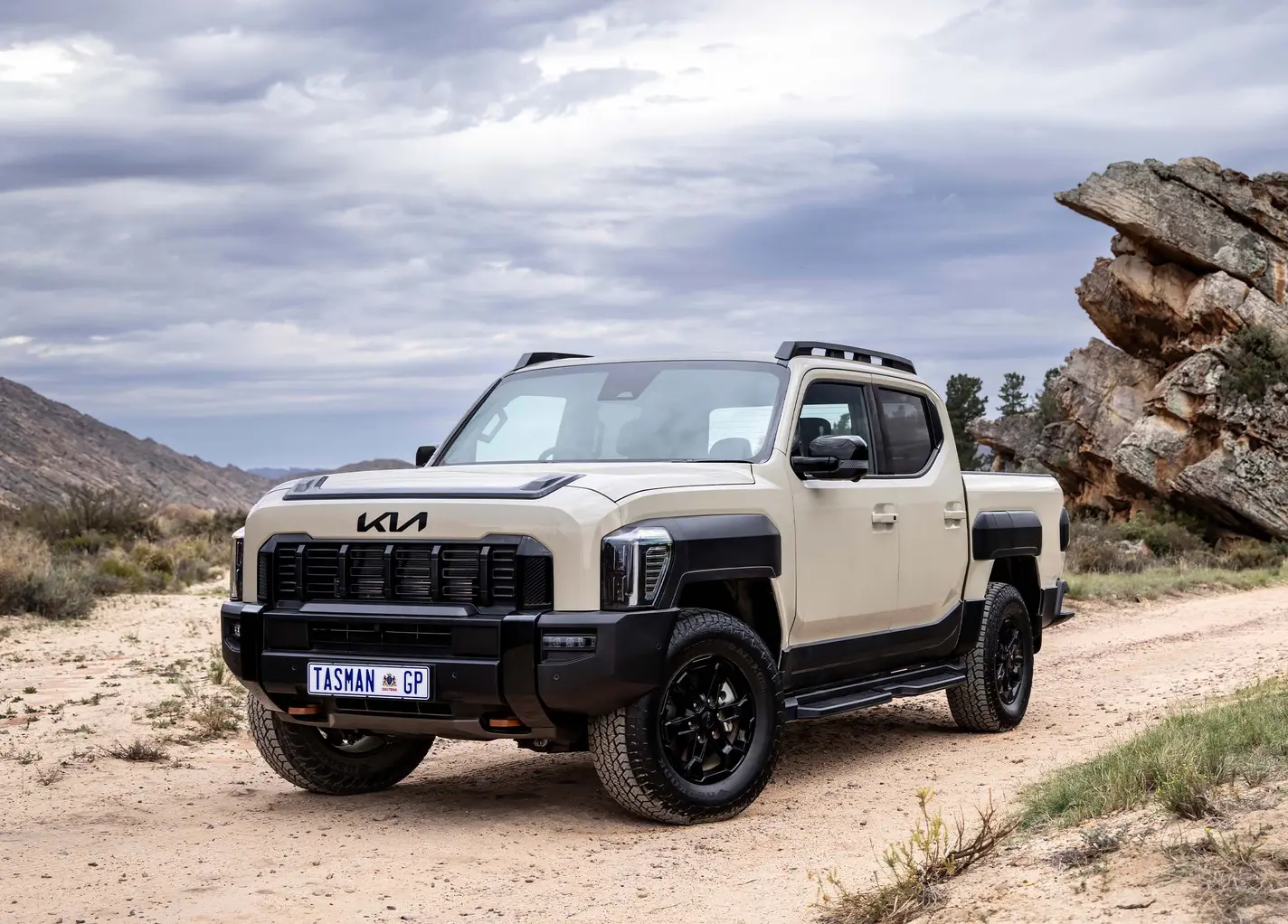
The moment you see the Tasman in the metal, something hits you. It looks like a KIA Soul that someone took to a panel beater, asked them to chop the back off and weld a load bin onto a stretched chassis. There's no better way to say it. The DNA is all Soul the roofline, the glasshouse proportions, the way the front face sits. KIA gave this bakkie the face of one of their weakest-performing models in the passenger car segment and somehow expected the bakkie market to stand up and applaud.
Compared to a Ford Ranger or Toyota Hilux, the Tasman would not hold its own on the street. The Ranger looks like it was built to climb something. The Hilux looks like it would outlive your mortgage. The Tasman looks like a vehicle a grandmother takes to Checkers on a Tuesday morning. No offence to grandmothers. Plenty of offence to KIA's design team.
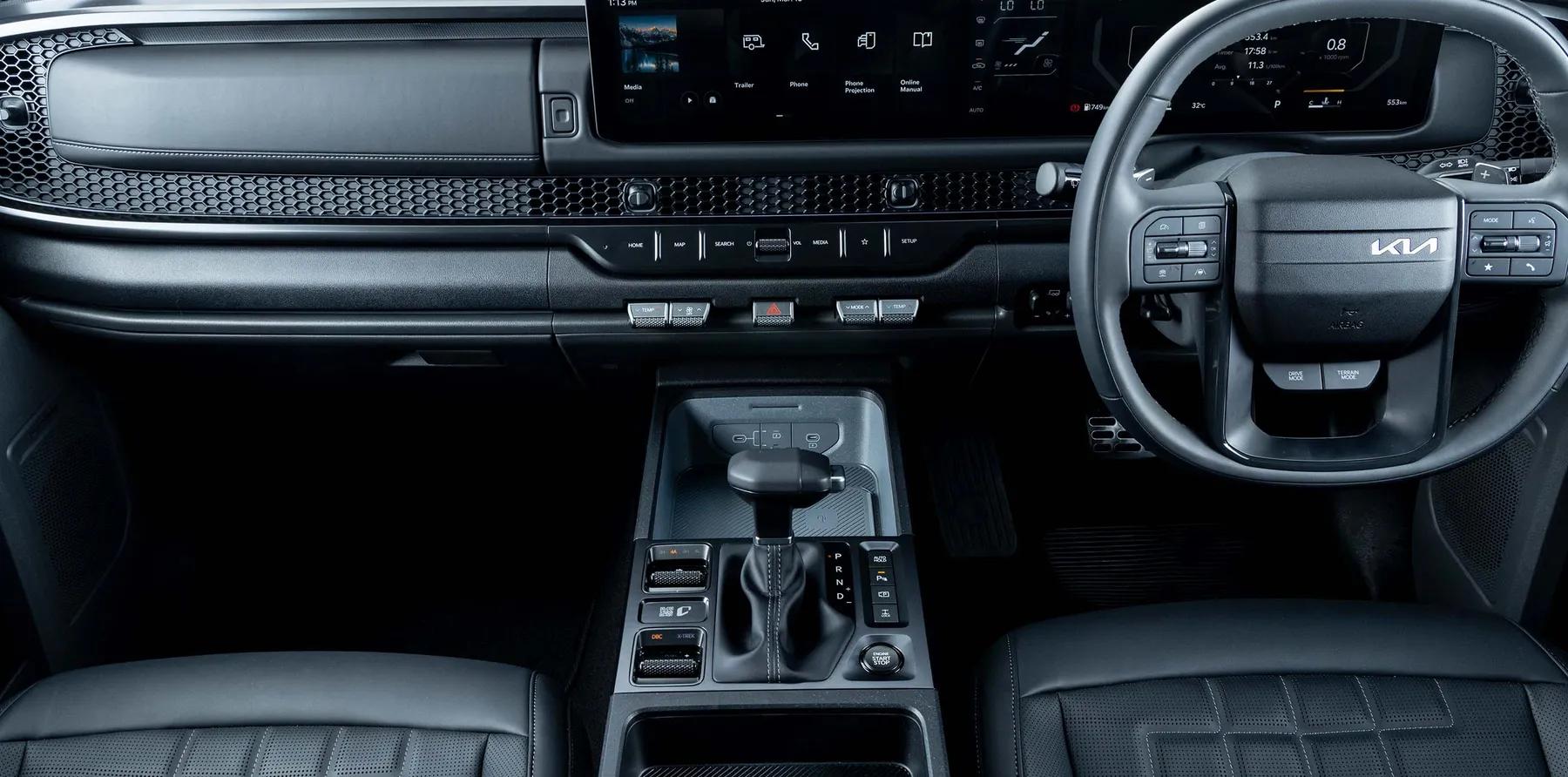
There are some details the door handles are distinctive, and the interior has a unified look to it. But that unified infotainment setup is also one of my biggest concerns. One screen controls everything. One failure point. If something breaks on that system, you're not replacing a part you're replacing the whole unit. Dealership invoice incoming.
The Specs: Decent on Paper, Thin in Reality
South Africa got one engine. One. The 2.2-litre turbodiesels.
KIA produces a 2.5-litre turbo-petrol version for other markets, but we don't get that. Given current fuel prices, diesel makes sense in theory but when you compare what's on the table, it starts to feel thin. The Ranger and Hilux both offer three to four engine variations. You can spec them closer to what your actual use case demands. The Tasman gives you a take-it-or-leave-it single option and calls it a day.
On payload, it edges past the Ranger's base double cab sitting at around 1,195kg. Towing tops out at 3,500kg braked, which is the same number everyone else hits. It's not a number that sets it apart, it just means KIA isn't embarrassing themselves on paper. The wading depth of 800mm sounds impressive until you remember the Ranger can match that without breaking a sweat.
So what does the Tasman actually do better? Not a lot. It brings a bigger load bin to the base model conversation, and that's a genuine point in its favour if you're hauling gear. But on longevity, on powertrain options, on raw off-road credibility it doesn't pull ahead.
Who Actually Buys This?
KIA built the Tasman for a specific type of person. It's not the farmer. It's not the construction contractor. It's the family guy who wants something big enough to feel capable, goes camping twice a year, and uses the load bin mostly to transport flat-pack furniture from Makro.
That's a real market. There's nothing wrong with that buyer. But in South Africa, that buyer already has options they trust. The segment runs on reputation, and the pecking order here is deeply ingrained: Hilux first. Then Isuzu. Then Ranger. Then if absolutely nothing else is available, a Mitsubishi. The Tasman doesn't fit anywhere obvious in that order.
KIA in the Bakkie Space Too Late or Just in Time?
KIA has built real credibility as a passenger car brand. The Sportage, the Seltos, the EV6 they've earned their keep. But credibility in hatchbacks and crossovers doesn't translate directly to credibility in load-hauling bakkies. Especially not when Haval and Chery are already fighting the "Korean credibility" battle in the South African market and still haven't fully cracked it.
The after-sales question is the one that genuinely matters. A bakkie needs to be serviced. It needs to get back on the road fast when something goes wrong. KIA's dealer network exists, but is it ready for bakkie ownership demands at scale? Too soon to say. And that uncertainty alone is enough to push a practical buyer toward a brand that's been through the fire already.
The Pricing Reality
If you were hoping KIA would come in under the competition and shake the market up on value don't hold your breath. The Tasman comes in priced like it belongs at the table, but the table already has food on it. When you're asking Ranger money for a vehicle with fewer engine options, no proven bakkie heritage, and the face of a Soul, you'd better be offering something extraordinary. The Tasman doesn't.
In a few years, I think we'll look back at the Tasman's South African pricing as the thing that killed it here before it ever had a chance.
Would I Buy One?
No. And not for the reasons you'd expect.
If I had the budget, I'd still walk past the Tasman. But here's the darkly honest bit the one almost-upside I see? Nobody's going to bother stealing it. Demand for the Tasman in the South African criminal market is probably close to zero. So there's that.
What would actually change my mind? If KIA came back with a 3-litre diesel option, a more competitive price point, and five years of proven reliability data on South African roads. Then we'd talk.
The Verdict
The KIA Tasman is an oversized Soul that entered a space it hasn't done its homework on. It may find its audience in the Middle East, Southeast Asia, and Australia markets that don't have the same hardwired loyalty to the Hilux as South Africa does. Here, it's going to be a tough sell. The specs aren't bad, the load capacity is real, and the diesel option suits the current climate. But none of that is enough when your competition has a thirty-year head start and loyal customers who'd sooner drive their bakkie into the ground than consider switching brands.
KIA had the guts to build a bakkie. I'll give them that.
I'm just not sure they built the right one for us.